
Before construction can begin, it's important to understand the ground conditions, drainage requirements, and enabling works needed to support the development of a project. From foundations and piling through to Sustainable Drainage Systems (SuDS), these early-stage activities help create the conditions for safe and efficient project delivery. Features such as attenuation tanks help manage water effectively, reduce risk, and support the long-term performance of the infrastructure built above.


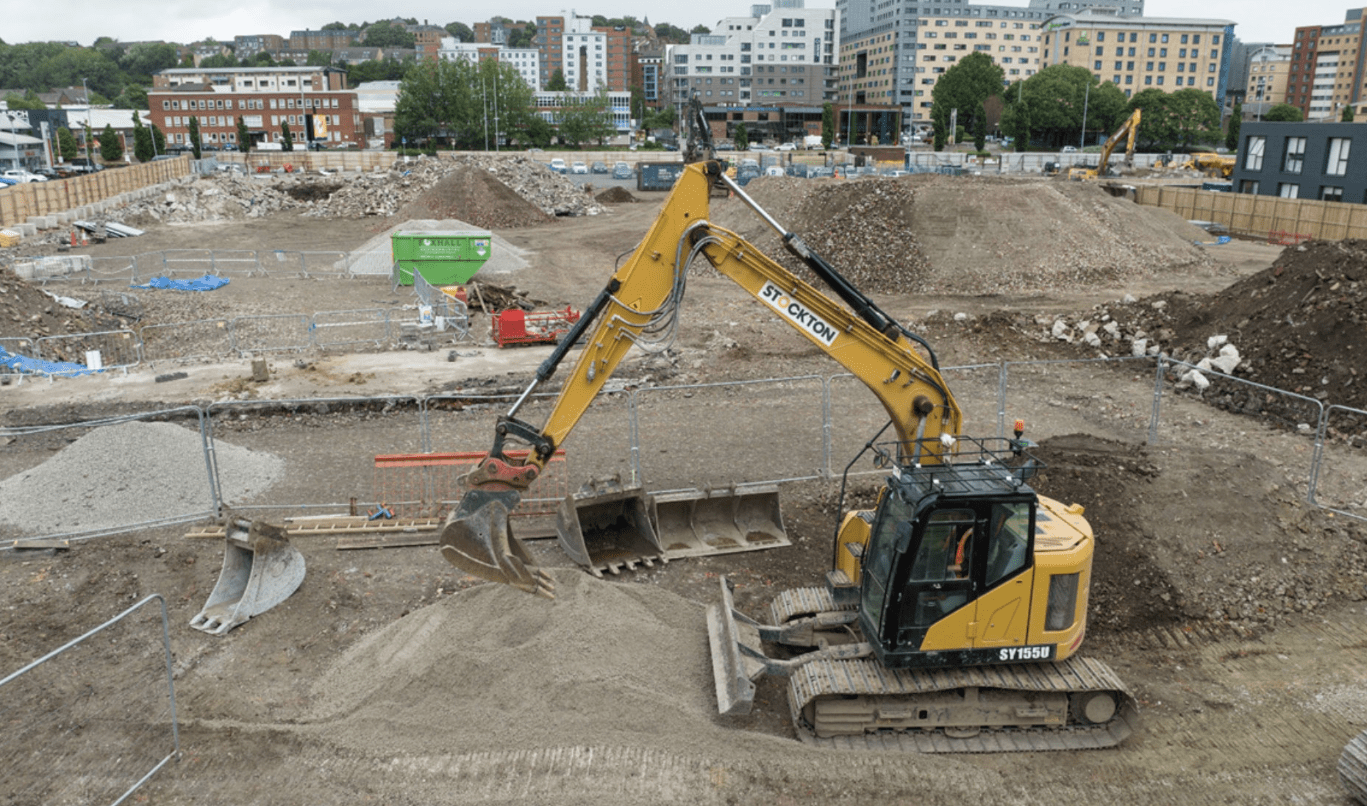

Proper site preparation is one of the most important factors in maintaining a safe construction site. Before work begins, a clear understanding of ground conditions, drainage requirements, access constraints and any existing utilities that could affect the programme is needed.
Identifying these risks early helps reduce the likelihood of accidents, delays and unexpected costs once construction is underway. Ground preparation also ensures that plant, personnel, and materials can be deployed safely and efficiently throughout the project.
Site constraints can present additional challenges. For example, when we worked on the Caedmon Hall redevelopment at Leeds Beckett University, works including the removal of existing ageing parts, installation of drainage, foundations and landscaping were delivered within a compact, restricted-access area while the campus remained fully operational. Careful planning, phased delivery, and robust safety controls were essential to protecting students, staff and visitors while keeping the project on track.
By taking the time to properly prepare a site before construction starts, we created the conditions for successful project delivery.
Substructure works are one of the most important stages of any construction project. Before above-ground structures can be built, foundations, piling and retaining structures need to be designed and installed to suit the ground conditions and loading requirements of the site.
The right approach to substructure works helps reduce the risk of settlement, structural movement, and future maintenance issues. Where ground conditions are poor, piling - driving or drilling deep foundation elements down to stronger strata to transfer loads below the weak layer - provides a stable foundation, while retaining walls - structures built to hold back soil and resist lateral earth pressure - help manage changes in level and control ground movement around the development.
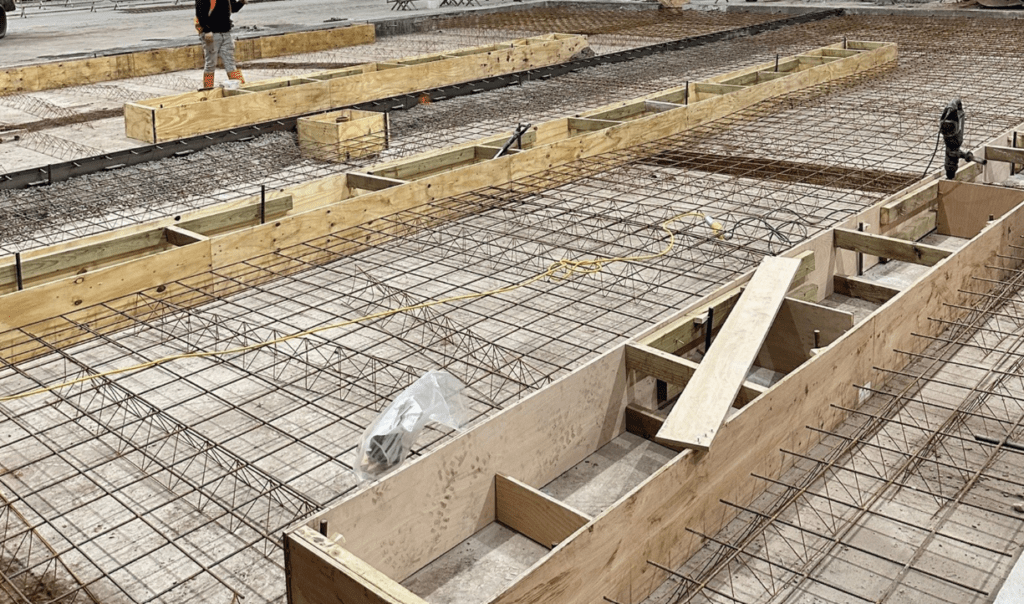
In one of Stockton’s projects, at AMFresh's production facility in Skelmersdale, large pad foundations and reinforced concrete slabs were constructed to support a factory extension and new production line. These works provided the stable base needed for the site's increased operational capacity.
Similar challenges were encountered when we worked on the DVSA Kingstanding development near Birmingham, where foundations and reinforced concrete elements had to be delivered in difficult ground conditions and areas of high groundwater. Careful planning and construction allowed the substructure works to be completed safely and in line with the programme.
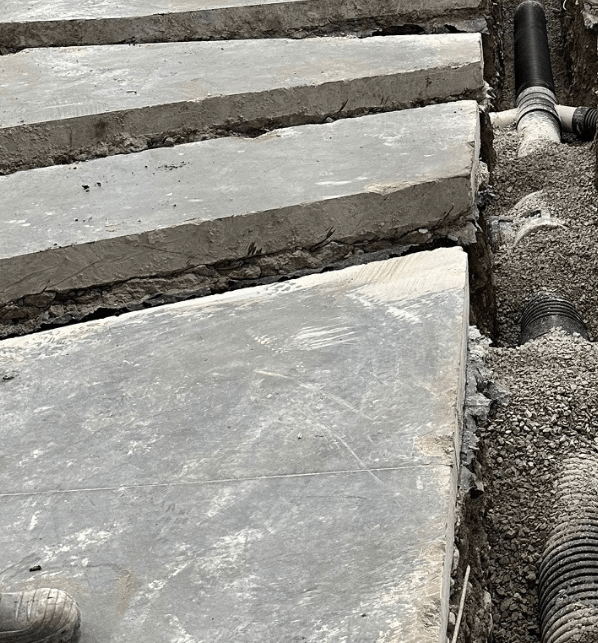
Before construction begins, it is important to understand how surface water and wastewater will be managed across the site. Poor drainage design can increase the risk of flooding, disruption to construction activities, and long-term maintenance issues once the asset is operational.
Modern drainage systems are designed to control and manage water as close to the source as possible. This can include attenuation tanks and Sustainable Drainage Systems (SuDS), which help slow and store surface water runoff during periods of heavy rainfall, reducing pressure on local sewer networks, and lowering flood risk.
At the Kirkstall Road development in Leeds, we installed separate foul and surface water drainage systems alongside flood mitigation measures required for a site located close to the River Aire. The drainage design was an important consideration in managing the challenges associated with working in a flood-prone environment.
Similar requirements were encountered in our work at Weston Park Hospital in Sheffield, where channel drainage and underground service connections were installed to manage surface water around a new treatment building and car park. Meanwhile at Allerton Grange School, our Civils team delivered extensive drainage works, including hydro brake manholes, an attenuation tank and SuDS features designed to control runoff across the site.
Overall, drainage requirements can vary significantly depending on the site, ground conditions, and surrounding infrastructure, with coordination between Local Planning Authorities (LPA), regional water providers, and sometimes the Environment Agency needed
If you're planning a new commercial, public sector, or educational development and want to discuss drainage or civil engineering requirements, get in touch with our expert team.
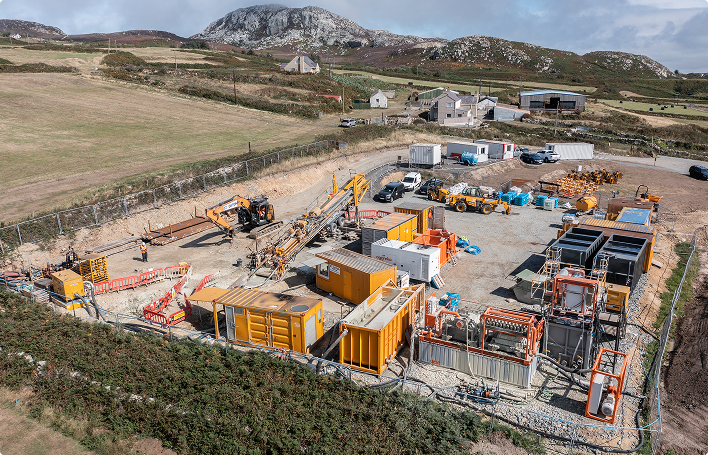
Groundworks are the preparatory construction activities carried out below ground level before the main building begins. They typically include site clearance, excavation, foundations, drainage installation, and ground stabilisation. High-quality groundwork creates a safe and stable base for development, helping to reduce risk, improve efficiency, and support the long-term performance of infrastructure.
Substructure works refer to the elements of a building or infrastructure asset that sit below ground level. This includes foundations, piling, retaining walls, ground beams, and reinforced concrete slabs. Substructure works transfer loads safely into the ground and provide the structural support needed for the infrastructure built above.
Piling is typically required where ground conditions are unsuitable for traditional shallow foundations or where structures need to support significant loads. Piles transfer weight to stronger soil or rock deeper underground, helping to minimise settlement and improve the long-term stability of the development.
Sustainable Drainage Systems (SuDS) are designed to manage surface water runoff in a more natural and environmentally responsible way. Features such as permeable paving, attenuation tanks, swales, and hydro brakes help slow, store and control water, reducing flood risk and easing pressure on local drainage networks.

