



ENVIRONMENTAL CHALLENGES
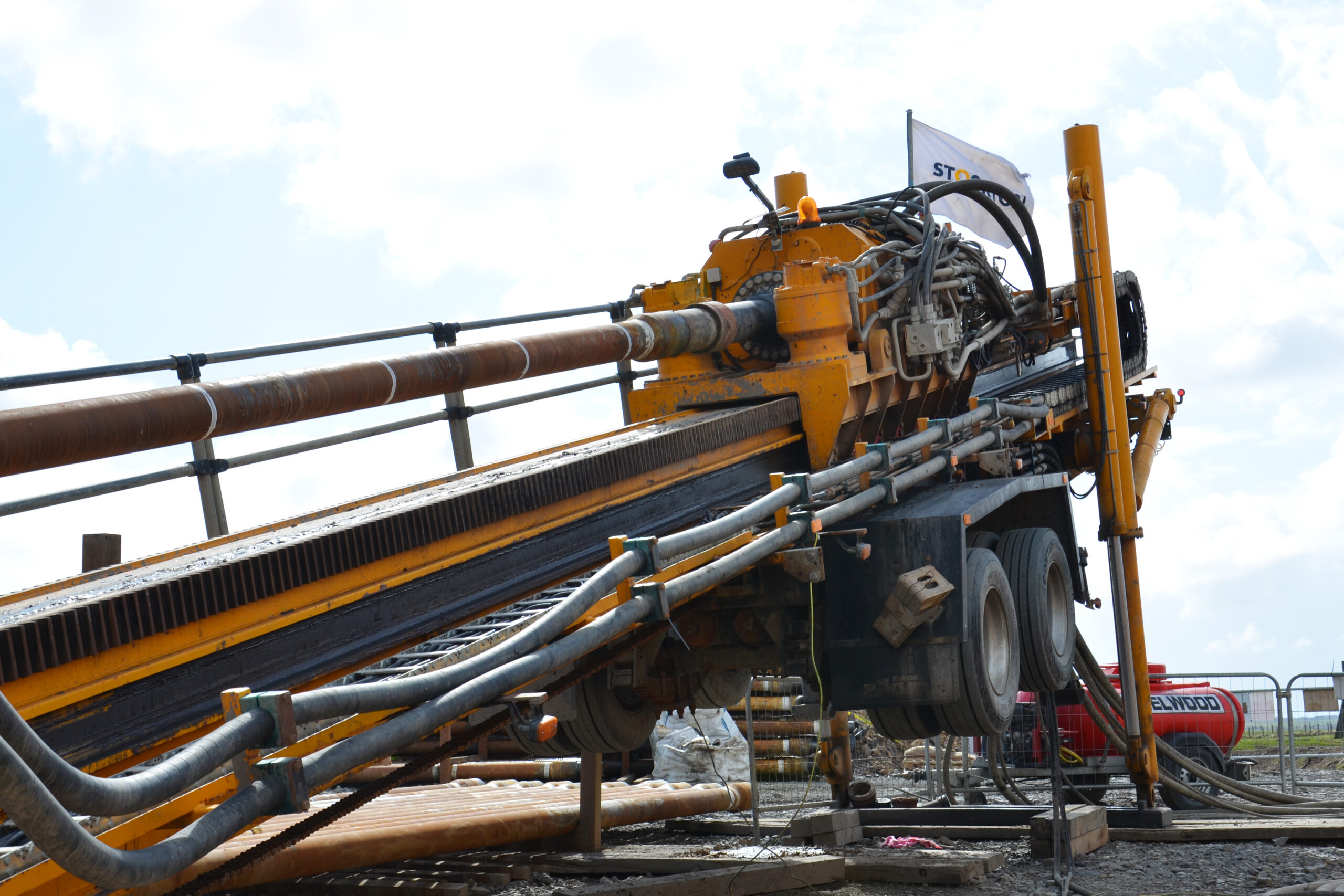
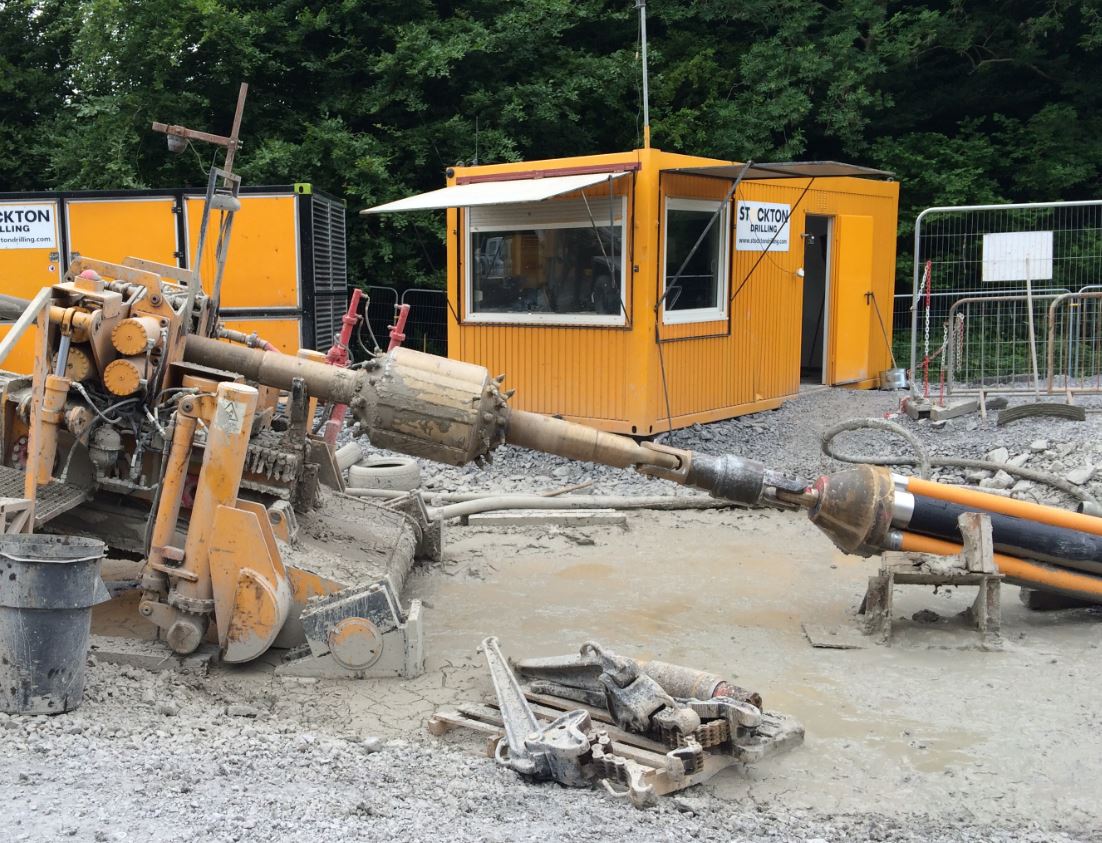
The geology beneath the River Tees presented some of the most demanding drilling conditions the team had faced. Extremely hard ground required multiple reaming passes to open the bore, while molten waste slag from the former steelworks at the exit point created additional resistance and unpredictability.
The site also presented logistical challenges: limited access and a short operational window, and harsh Teesside winter conditions all added pressure to an already demanding programme
Navigating these constraints required an experienced and adaptable team and a clear contingency strategy.

HOW WE DID IT
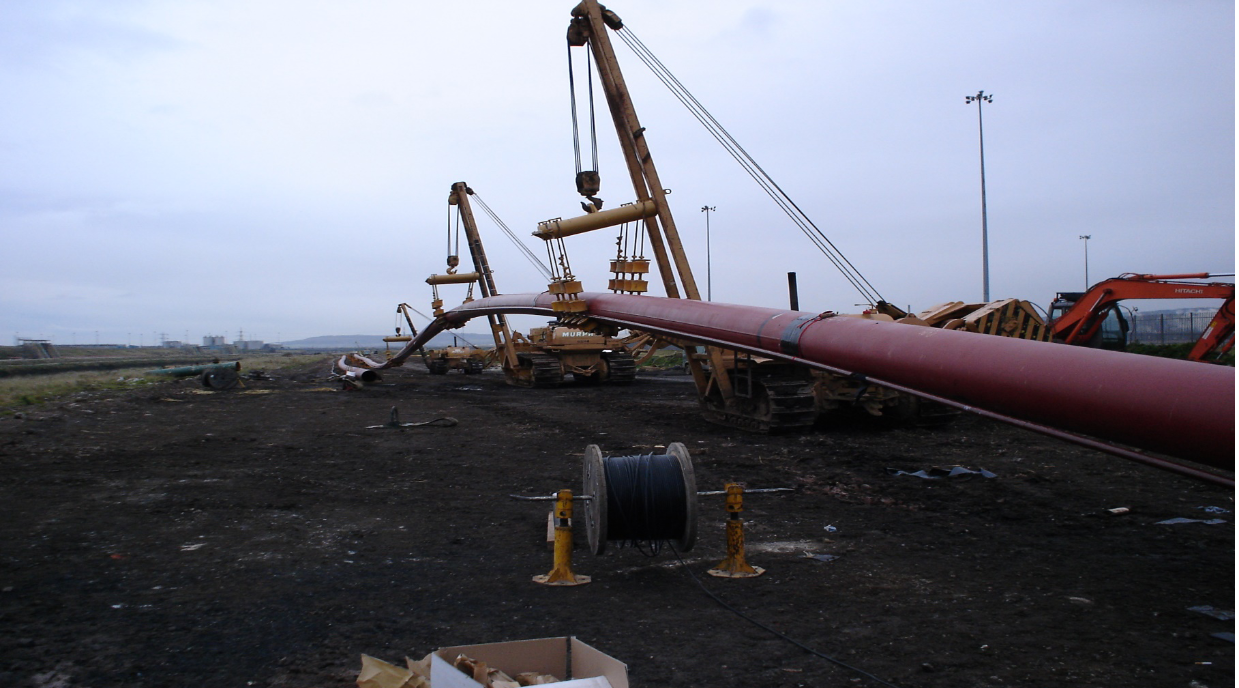
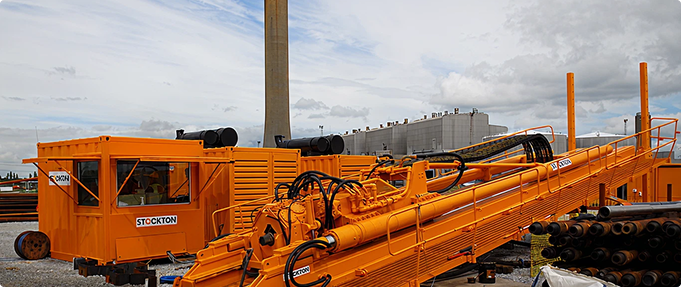
Stockton drew on its previous experience in the Teesside area using an adjacent line to carry a guide signal wire for accurate tracking throughout the bore., The team executed the multi-line pull, installing both pipeline and fibre optics simultaneously, demanding precise coordination to ensure both elements were completed successfully.
Contingency plans were also developed to open cut an exit route if major problems were encountered, reflecting Stockton’s approach of planning for every outcome without compromising on pace. A safety-first culture was established through site inductions, regular toolbox talks and structured audits and reporting throughout.
Close collaboration with principal contractor, Murphy Pipelines ensured alignment at evert stage. Stockton successfully completed the HDD crossing in November 2006, enabling the first deliveries of liquified natural gas to commence in February 2007-- on programme and to specification.