
Civil engineering projects rarely succeed through technical expertise alone. From large infrastructure schemes to specialist groundworks and marine construction, successful delivery depends on collaboration, structured planning, and clear communication between contractors, clients, designers, and stakeholders.
Gerry Carolan, Operations Director for Civil Engineering at Stockton Group, has spent more than two decades overseeing civils and groundworks projects across the UK. Responsible for planning and delivering schemes nationwide, Gerry ensures our projects are executed safely, efficiently, and to consistently high standards.
Drawing on his extensive site and project management experience, he explains why early co-operation and thorough planning remain fundamental to successful project delivery.


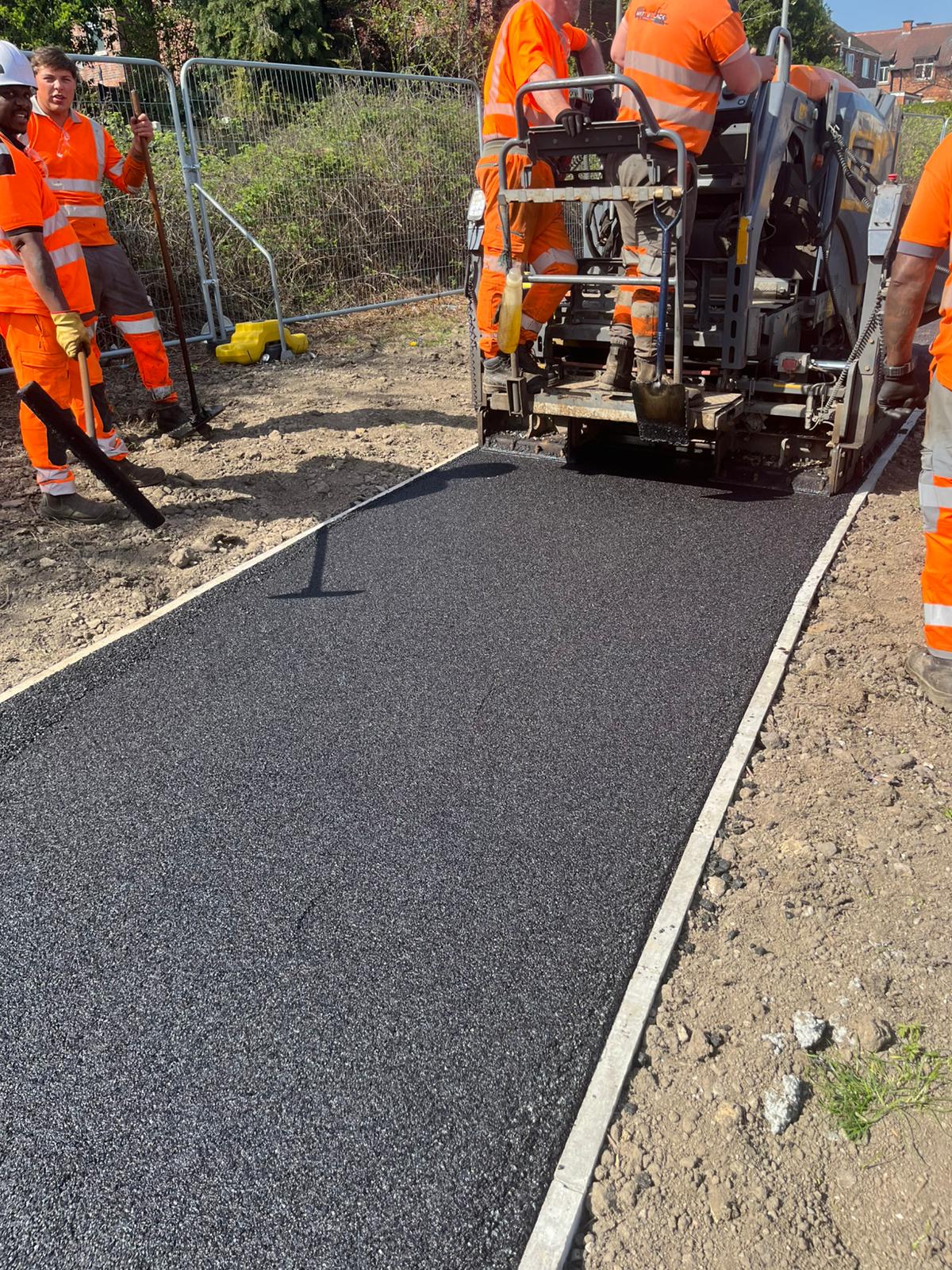

Every civil engineering project involves multiple stakeholders with different priorities. Designers focus on structural integrity and compliance, clients require commercial certainty and programme assurance and contractors are responsible for safe delivery, buildability, and adapting designs to real-world site conditions.
When these groups work in isolation, challenges often emerge and misaligned expectations can result in design revisions, delays, or increased costs. Early collaboration allows contractors to contribute practical construction insight during design and feasibility stages, helping ensure infrastructure, groundworks, structural concrete, piling, marine works, and enabling works are planned for efficient delivery.
Across complex schemes such as flood defence infrastructure, bridge and quay structures, reinforced concrete works, and ground stabilisation projects, contractor involvement from the beginning of the project helps to refine construction sequencing, improve buildability, and reduce environmental and operational risk. Early engagement also helps identify site constraints, access requirements, and temporary works strategies, strengthening programme certainty before construction begins.
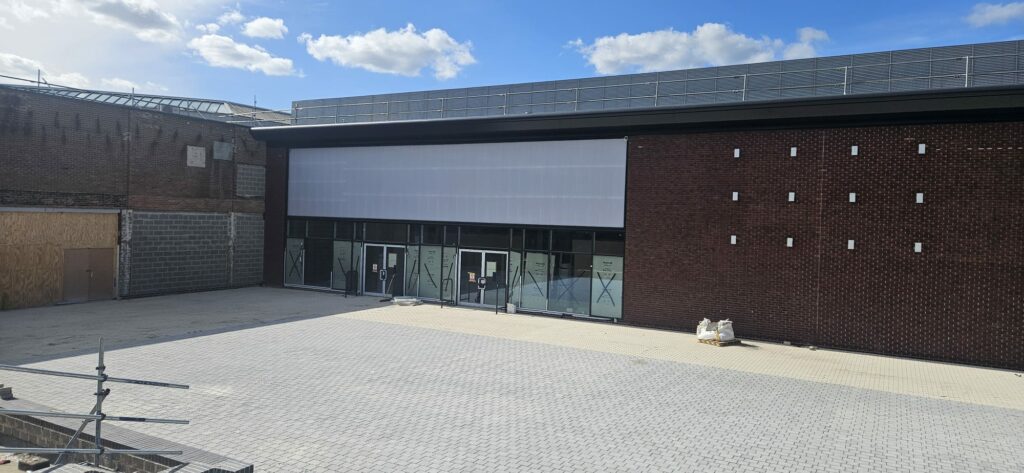
Civil engineering projects are often delivered within challenging environments. Urban infrastructure developments, industrial groundworks, waterway schemes, and coastal or marine projects all require careful coordination around access restrictions, environmental protection, and operational continuity.
Without structured planning, these factors can quickly affect safety, productivity, and delivery timelines. Effective planning allows teams to assess ground conditions, develop construction methodologies, and coordinate specialist plant, labour, and materials before mobilisation.
On projects involving waterways or flood risk infrastructure, planning may include erosion control, riverbank protection, flood defence works, and marine piling. Addressing these considerations early supports smoother delivery while protecting surrounding communities, assets, and ecosystems.
Planning also extends beyond physical construction. Stakeholder engagement, environmental permitting, and regulatory approvals frequently influence project programmes as much as technical delivery. Co-ordinating these requirements alongside design and mobilisation helps prevent delays once works begin.
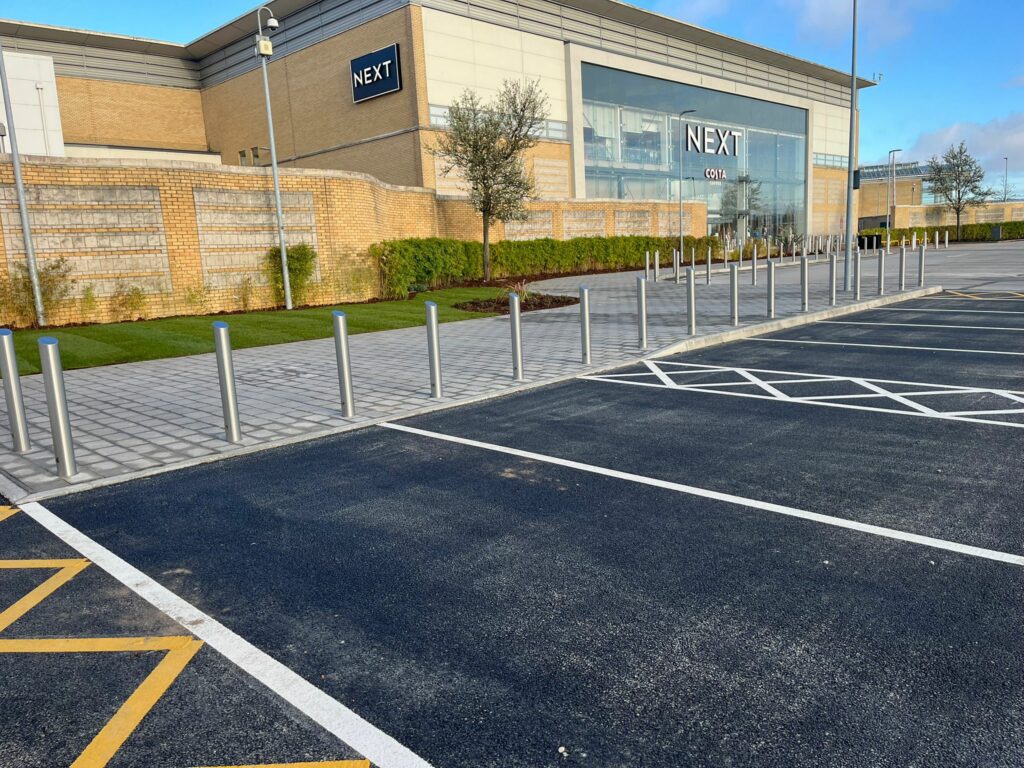
Successful civil engineering delivery depends on strong collaboration across the whole supply chain. Specialist subcontractors, plant suppliers, marine contractors, structural engineers, and environmental consultants all play vital roles.
Early engagement improves decision-making, safety performance, and programme efficiency. It allows contractors to co-ordinate specialist equipment such as heavy lifting plant, marine vessels, piling rigs, and temporary works systems, ensuring resources are available when required.
Projects involving marine or waterway works, flood defences, or live infrastructure environments often operate within restricted access windows. Experienced civils contractors understand the importance of flexibility and collaborative planning to maintain delivery schedules while safeguarding surrounding infrastructure and public access.
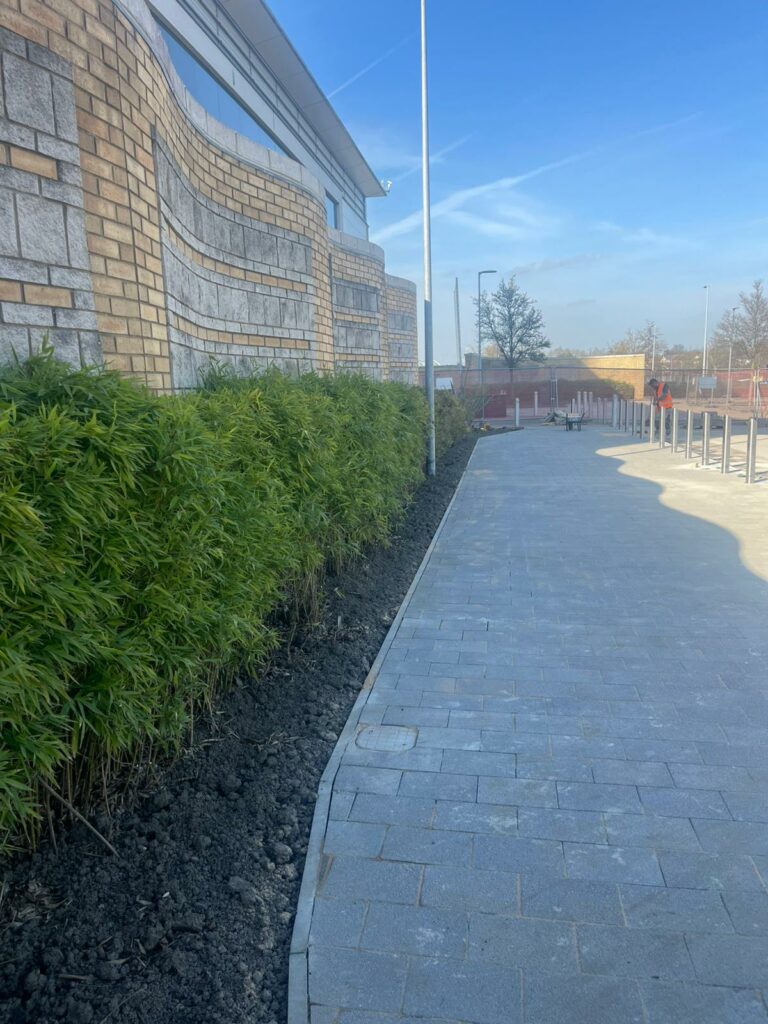
Modern civil engineering projects have to meet increasingly strict environmental standards. Protecting habitats, managing water quality, reducing ground disturbance, and supporting biodiversity are central considerations across infrastructure, groundworks, and marine construction.
Planning plays a crucial role in embedding environmental responsibility into project delivery. Selecting appropriate construction methodologies, sequencing works to minimise disruption and implementing effective environmental control measures all help reduce project impact while supporting regulatory compliance.
Construction techniques such as sheet piling, reinforced concrete flood defences, and ground stabilisation can provide long-term structural resilience while protecting surrounding environments. Similarly, careful planning of access routes, temporary works, and material handling can significantly reduce disruption to local communities and ecosystems.
Close collaboration between engineers, environmental specialists, and contractors ensures environmental management plans remain practical and fully integrated into construction delivery.
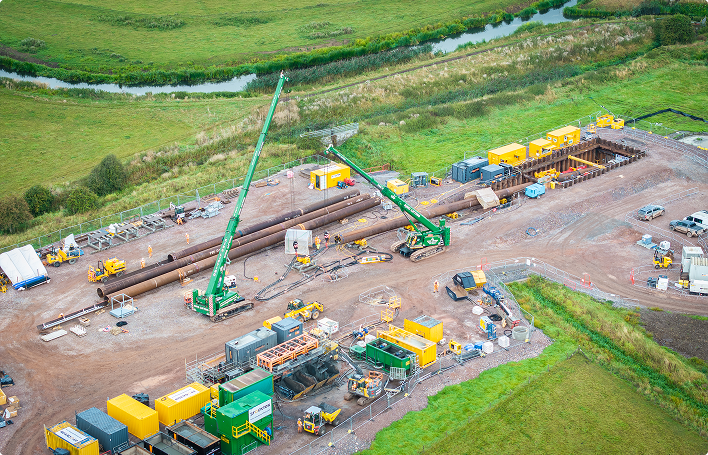
Programme overruns and unexpected costs are often linked to insufficient planning or limited stakeholder communication. Early collaboration means teams can identify risks, develop mitigation strategies, and establish realistic delivery programmes.
By co-ordinating construction sequencing, temporary works design, and supply chain mobilisation, contractors can simplify delivery and reduce the likelihood of rework or delays. This is particularly valuable on infrastructure projects involving live environments, complex ground conditions, or restricted working windows.
Collaborative planning also supports accurate budgeting and resource allocation. When contractors, designers, and clients work together to refine construction methodology, projects can achieve cost-effective solutions while maintaining performance and safety standards.
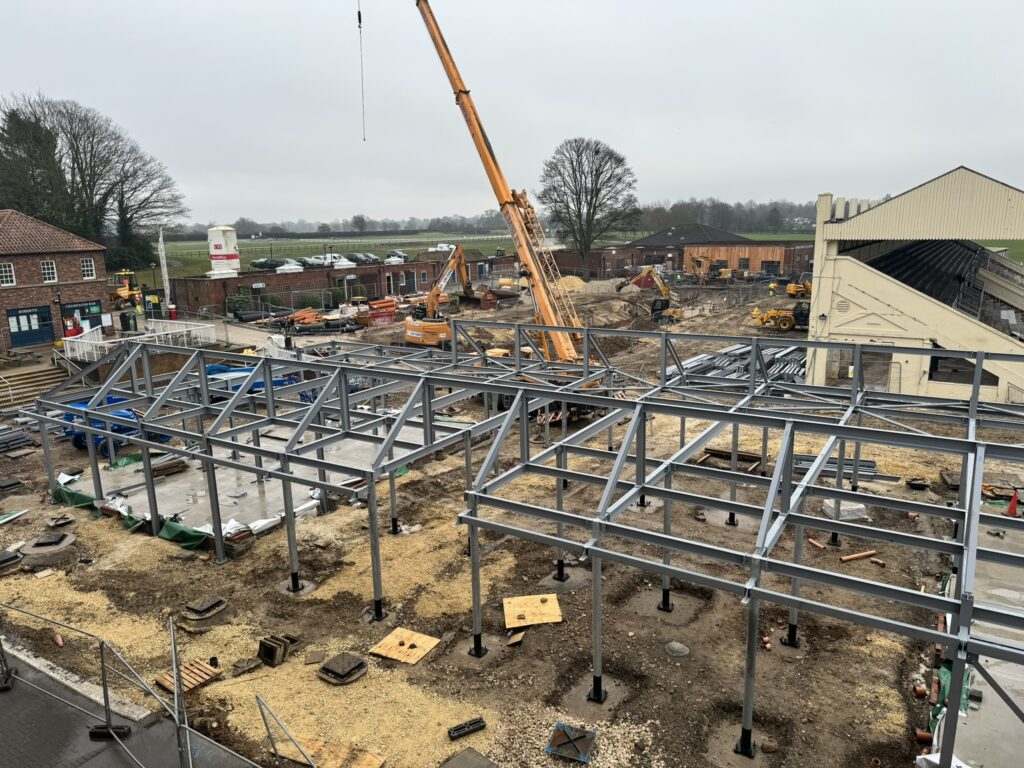
Successful civil engineering projects begin long before work starts on site. Early collaboration helps reduce risk, improve programme certainty, and ensure construction methodologies are tailored to project requirements.
At Stockton Group, our civil engineering specialists work alongside clients, consultants, and project teams to develop practical, buildable solutions across infrastructure, groundworks, marine works, flood defence, and structural construction.
With decades of hands-on delivery experience, we provide early input into project design, helping ensure construction methodologies align with ground conditions, environmental constraints, access limitations, and programme expectations.
If you are planning a project and want expert input on methodology, risk reduction, or delivery strategy, speak to our team today so we can shape a solution for you that protects your budgets, programmes, and long-term asset performance.
Early planning in civil engineering helps identify project risks, coordinate resources, and select the right construction methods. This improves safety, reduces delays, and supports efficient infrastructure project delivery.
A civil engineering contractor should ideally be involved during the design or feasibility stage. Early contractor involvement improves constructability, cost planning, and programme certainty across infrastructure and groundworks projects.
Collaboration in civil engineering ensures designers, contractors, and stakeholders align on project objectives. This reduces construction risks, improves communication, and supports smoother delivery of complex infrastructure works.
Strong supply chain management ensures specialist equipment, materials, and skilled teams are available when required. This improves mobilisation, reduces project delays, and supports safe construction delivery.
Clients should look for contractors with proven infrastructure experience, strong health and safety performance, and technical expertise in civils and trenchless engineering. Early collaboration and transparent communication are also key indicators of reliable project delivery.

