
In UK subsea infrastructure projects, constantly changing factors like shifting sands and threats of severe weather make landfall pipeline design one of the most technically demanding tasks. In this blog, Gearoid O’Connell, director at Stockton Group helps pipeline contractors understand where projects can commonly go wrong, and the most important areas of preparation before drilling takes place.


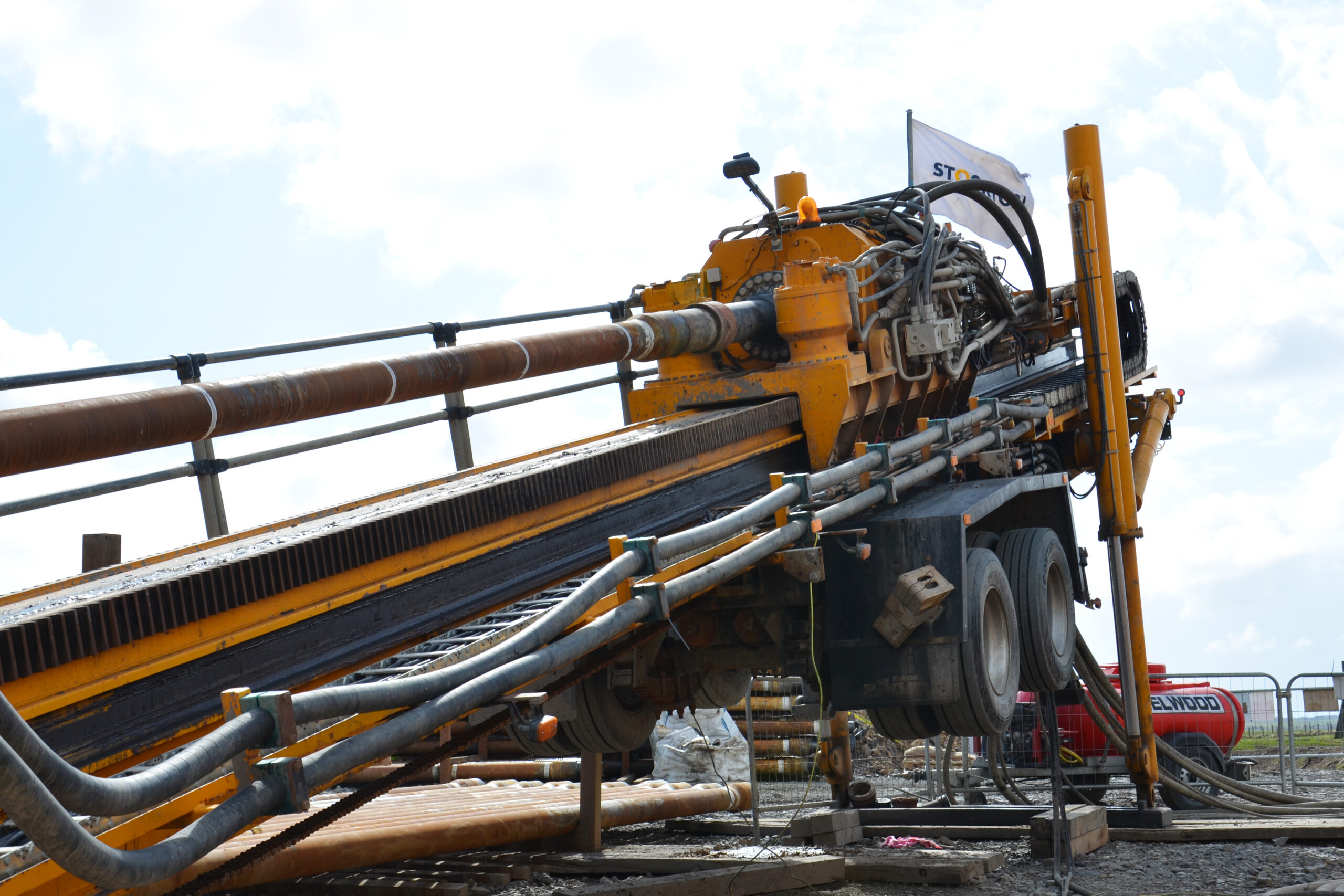

Before starting the landfall pipeline design, it’s important to evaluate ground conditions, historical shoreline changes, and other potential coastal hazards to prevent costly failures and environmental disruption.
The UK coastline features variable ground, including fractured rock, soft clays, and shifting sand banks. A comprehensive geotechnical survey is needed to assess these conditions, including consulting British Geological Survey (BGS) records to identify underlying bedrock, faults, and sedimentary deposits.
It’s also important to look at historical erosion mapping, to identify cliff regression or beach lowering, both of which will impact the depth that the pipeline must be installed at. Additionally, an understanding of differing tidal zones which could shift sand or sediment is needed, with tidal height data helping to determine precise drill string lengths and exit pit locations for trenchless techniques like Horizontal Directional Drilling (HDD).
By determining feasibility before design is started, you can establish what is actually possible when it comes to drilling and pipeline installation, minimising the risk of project disruption or budget overruns.
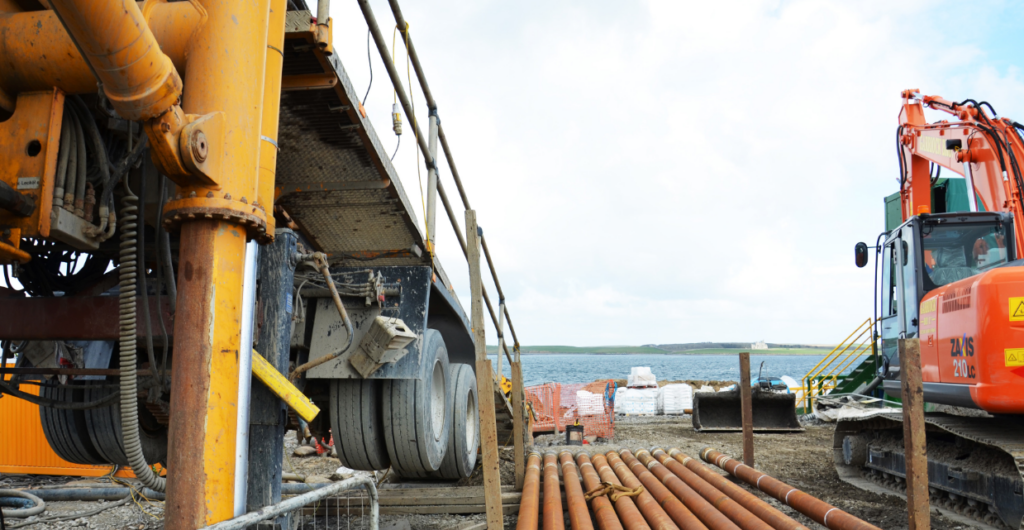
The drilling and installation of pipelines in the UK requires navigating various regulations. The onshore portion of works is managed through the Planning Inspectorate, which deals with national infrastructure planning applications, while offshore works require a marine licence and Pipeline Works Authorisation.
You, or your chosen contractor, should conduct an Environmental Impact Assessment and a Habitat Regulations assessment too, to check that your project won’t cause irreversible ecological damage or break local planning laws.
The Westmoor Reservoir project, while not a landfall, was a 220m trenchless river crossing which used Direct Pipe® (a hybrid micro-tunnelling and pipe-jack system that lines the tunnel as it advances). This avoided surface level disruption when crossing the river, protecting local wildlife and nature reserves.
In our Shapinsay subsea pipeline project, we were working in a remote location in the Orkney islands, which also presented complex environmental and logistical challenges. Using the technique of HDD, we had to carefully control drilling fluids to maintain bore stability while preventing environmental impact, ensuring the safe delivery of a 2km pipeline providing a safe water source for the island community.
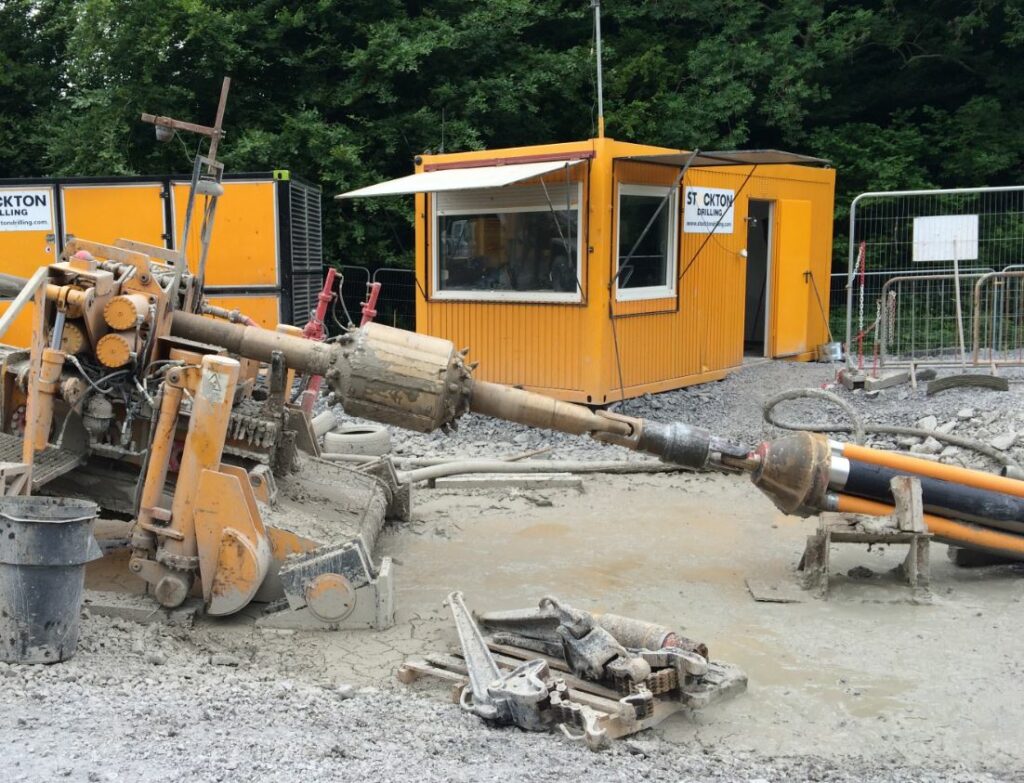
While good planning goes a long way in the success of landfall projects, you can’t always account for the unexpected curveballs that will be thrown along the way when it comes to trenchless drilling.
In Shapinsay, we drilled through challenging conditions that had been accounted for in planning and design, including siltstone and sandstone formations.
Meanwhile, in our Westmoor Reservoir project, our team had to work through unforeseen changes in geology which set a range of engineering and commercial challenges, with significantly harder ground conditions than expected, and high volumes of water.
The site was on an existing flood plain which flooded annually over winter months, squeezing the construction programme into the accessible months of the year. This meant we needed to make sure hands-on project management was in place, participating in regular planning reviews with our client and subcontractors.
The contingency planning we put in place at Westmoor is what kept the project on track when the ground conditions changed and the programme came under pressure. Having that flexibility built in from the start meant we could respond to what the site threw at us without it becoming a crisis.
Not accounting for that kind of disruption is one of the more common reasons complex trenchless projects run over time and budget, and shows why you need a trusted contractor to treat planning and design with the same precision as the drilling itself.
At Stockton Group, our trenchless drilling and cofferdam construction capabilities are built around the particular demands of landfall and nearshore environments. If you are in the early stages of a landfall project and want to discuss design and installation challenges, get in touch with our expert team.
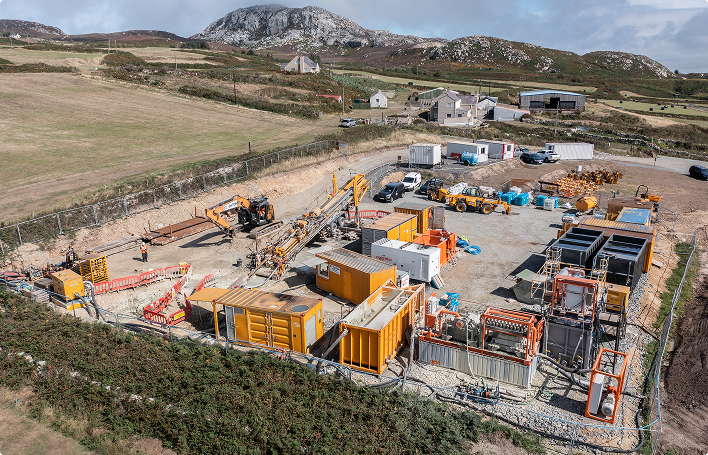
A landfall pipeline is the section of a subsea pipeline that transitions from the offshore seabed to the onshore network, typically passing through the coastal or intertidal zone.
Trenchless drilling, such as Horizontal Directional Drilling (HDD), is a no-dig technique used to install underground pipelines without excavating a continuous surface trench. In UK landfalls, it is used to safely route offshore pipelines under sensitive coastal environments.
A thorough survey programme should include geotechnical investigation (soil borings and cone penetration tests), geophysical survey of the seabed approach, hydrographic data, and an environmental baseline assessment covering any protected designations at or near the site.
Depending on the location and scope of works, approvals may be required from the Marine Management Organisation, the North Sea Transition Authority, the Environment Agency, and the relevant local planning authority. Marine licensing and separate consent for any coastal structures may also apply.

