
When installing pipelines that cross rivers and other watercourses, it’s important to plan carefully to avoid environmental disruption and meet regulations. Here, our Managing Director, Fiona O’Connell, explores the difference between Direct Pipe®, HDD, and micro-tunnelling, as low-impact methods for crossing rivers.


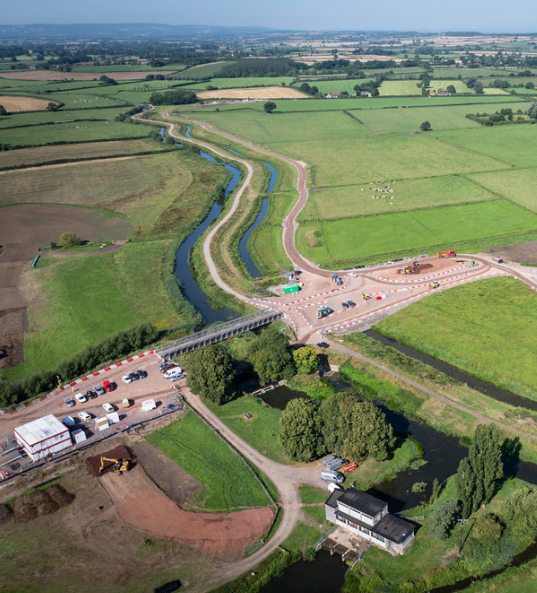

Horizontal Directional Drilling (HDD), Direct Pipe® (DP), and micro-tunnelling are all trenchless methods suitable for installing pipelines below water courses like rivers.
HDD is a versatile, cost-effective solution used for long and short distance crossings of rivers and other water courses in environmentally sensitive areas. It involves three main stages: pilot hole drilling, reaming to widen the hole, and pulling the pipeline through. It’s ideally suited to stable ground that allows for easy steering, maintains borehole integrity, and prevents the loss of drilling fluids.
Micro-tunnelling meanwhile is a guided, remote-controlled method which allows for high-accuracy crossings through challenging ground. It involves the use of a micro-tunnel boring machine (MTBM) to excavate a precise borehole while simultaneously installing a pipe underground without digging long trenches.
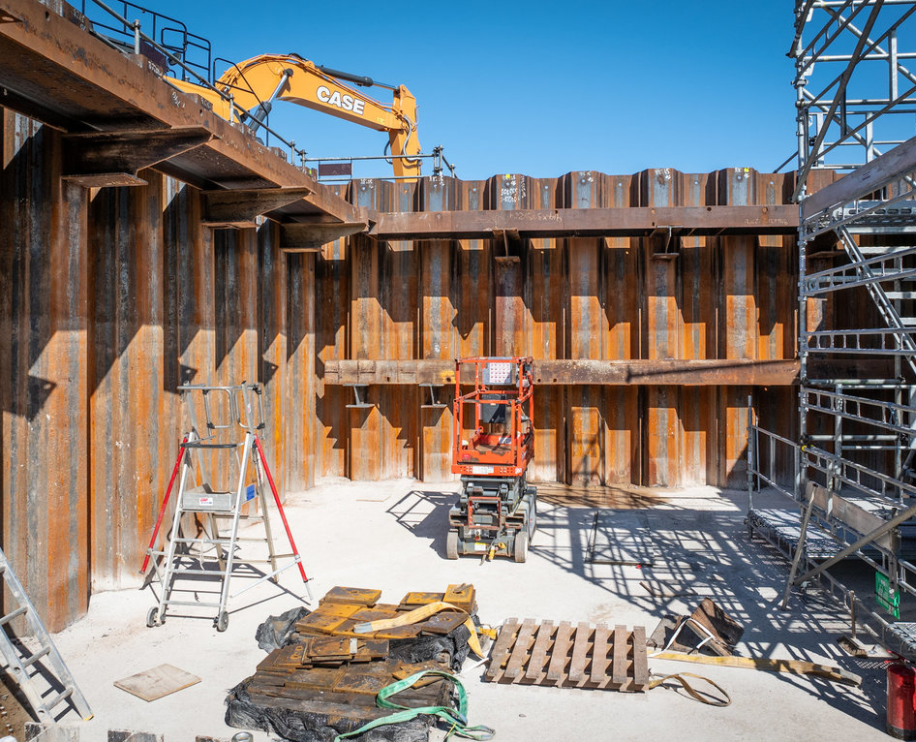
Finally, the Direct Pipe® method combines the benefits of micro-tunnelling and HDD into a single operation, using an MTBM attached to the front of the pipe, pushed by a pipe thruster, installing the pipe in one pass. This technique maintains borehole stability, minimising the pressure of the drilling fluids in the annulus (space between the pipe and the tunnel wall), allowing for greater operator control and a reduced risk of surface contamination.
If you’re installing a pipeline near or beneath a watercourse in the UK, regulatory compliance needs to be a key part of the planning process. Legislation such as the Pipelines Safety Regulations 1996 sets strict requirements designed to protect waterways, ecosystems, and surrounding infrastructure.
Techniques like Direct Pipe®, HDD, or micro-tunnelling significantly reduce surface erosion, soil displacement, and sediment-laden runoff into water bodies, allowing for pipeline installation with minimal environmental disruption.
Another point you need to think about is managing annular pressure - the pressure that builds up between the outside of the drill string or pipe - and the borehole wall. Excessive annular pressure can exceed the strength of the surrounding soil, leading to a “frac-out”, where drilling mud breaks through the surface and potentially contaminates water bodies.
In planning stages, hydro-frac calculations are run to predict the maximum allowable drilling fluid pressure along the proposed bore path. These calculations are monitored in real-time during piloting and pull-back.
High annular pressure is most likely to occur during the pilot hole drilling and pipe pullback stages of HDD and is a more common issue in areas with inconsistent soil types or fractured rock, or underneath the shallowest areas of a riverbed. Controlling annular pressure involves close management of the drilling fluid pump rate and pipe pullback speed to prevent the borehole from collapsing or cracking open.
To minimise the environmental impact of your pipeline installation, you need to think about the following:
- Ground investigation: To make sure you’re selecting the most suitable trenchless technique for your river crossing, a full geotechnical investigation will need to be carried out before you start to understand soil types, rock structure, and groundwater conditions.
- Annular pressure management: In planning stages, hydro-frac calculations are run to predict the maximum allowable drilling fluid pressure along the proposed bore path. To reduce the risk of borehole collapse or frac-out, you need to continually monitor annular pressure during drilling and installation, ensuring the fluid pump rate and pipe pullback speed is appropriate.
- Environmental monitoring: Whilst the drilling and pipeline installation is ongoing, water quality should be continually monitored to make sure any environmental impacts are detected early, and can be addressed before they become bigger issues.
- Stakeholder and regulatory engagement: It’s important to maintain early and ongoing communication with regulators such as the Environment Agency, as well as local stakeholders, throughout the planning process. This helps ensure the correct permits are secured and that the project remains compliant with environmental requirements.
With the right planning, ground investigation, and monitoring in place, these techniques can significantly reduce the environmental impact.
At Stockton, we have decades of experience in trenchless water crossings, like at Westmoor Reservoir, where we delivered a 220m crossing using Direct Pipe®, to form a 1400mm I.D. siphon below the River Parrett.
Speak with our team to learn about using low-impact methods for your next project river crossing project.
A trenchless river crossing is a method of installing pipelines beneath a river or watercourse without digging an open trench. Techniques such as HDD, Direct Pipe®, and micro-tunnelling allow pipelines to be installed underground while minimising disruption to the riverbed and surrounding environment.
Trenchless methods are used because they significantly reduce environmental impact compared with open-cut construction. They help to protect river ecosystems, limit sediment disturbance, and allow pipelines to be installed beneath waterways with minimal surface disruption.
A frac-out occurs when drilling fluid escapes from the borehole and reaches the ground surface. This can happen if annular pressure becomes too high and exceeds the strength of the surrounding soil or rock.
Pipeline installations near waterways must comply with environmental and safety legislation, including the Pipelines Safety Regulations 1996, which help protect waterways, ecosystems, and surrounding infrastructure.

