



ENVIRONMENTAL CHALLENGES
As with many coastal projects, environmental sensitivity played a central role in the project’s planning and execution.
The site supports protected wildlife, including chough bird populations. This meant that construction activity was restricted to winter working windows (October–March) to minimise ecological impact, with Stockton strictly adhering to environmental consents and regulations
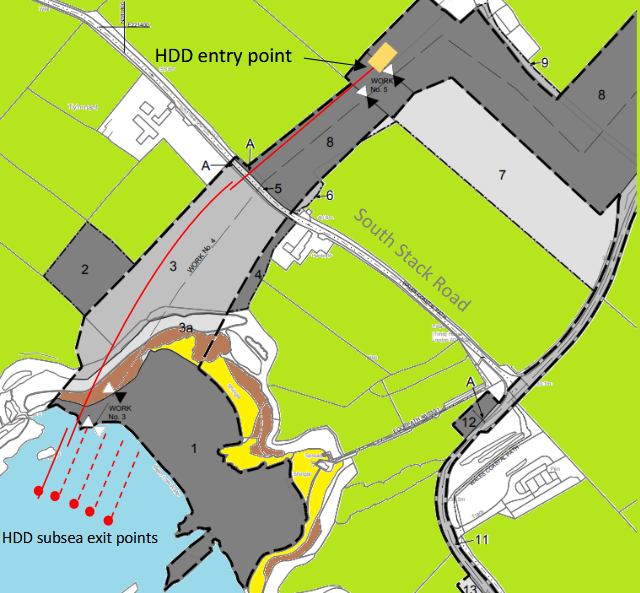
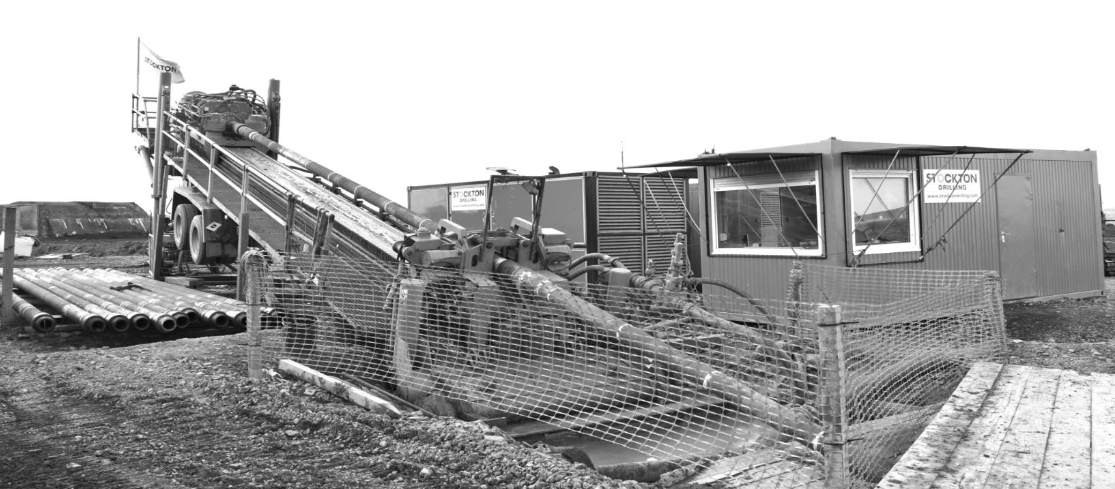
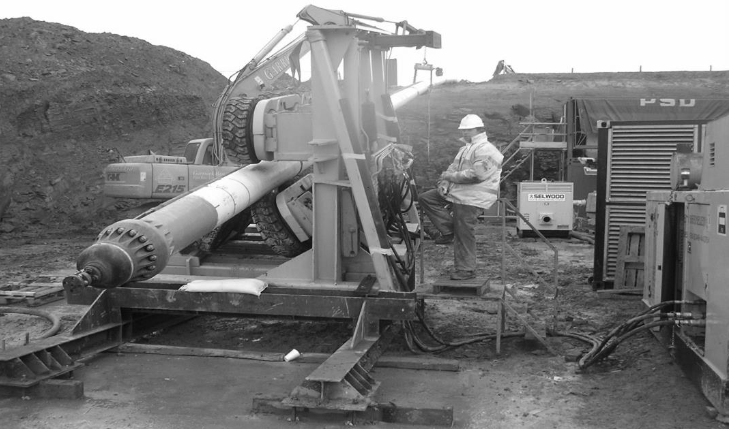
Ground conditions added further complexity. presented significant technical challenges. Geological mapping identified hard rock formations consisting of psammite and pelite materials that demanded precision drilling and robust equipment capable of maintaining accuracy over long distances.

DESIGN & COORDINATION
Operating as Principal Contractor, Stockton took full responsibility for planning, managing, monitoring, and coordinating the entire construction phase through to delivery and compliance
Working closely with design partner Waterman Infrastructure and Environment, detailed bore profiles and alignments were developed to ensure compliance with all consented parameters while maintaining drilling efficiency.
Each stage of construction was governed by a bespoke inspection and test plan, ensuring consistent quality and adherence to internal management systems.
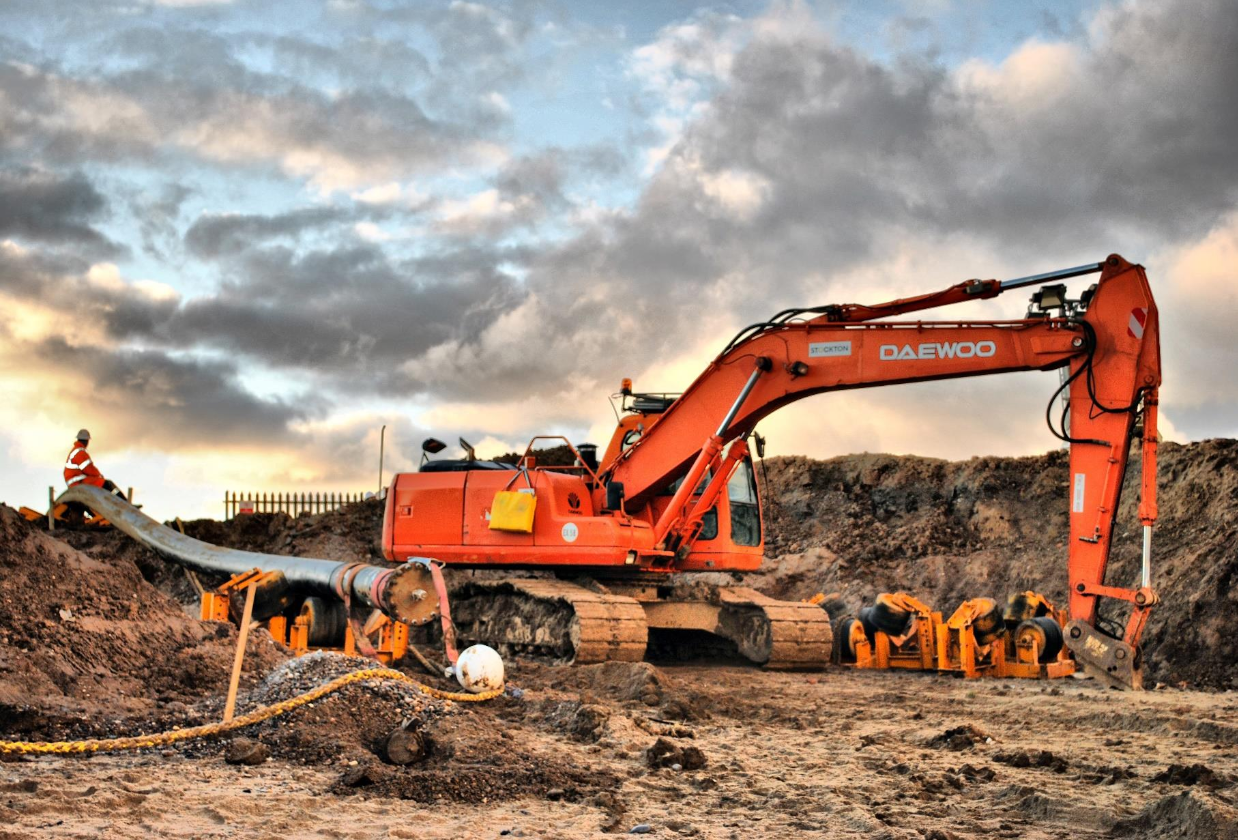
Following completion of each bore, HDPE ducts of approximately 560m were installed to act as conduits for subsea power cables, creating a seamless connection between offshore generation and the National Grid.
Despite the challenges posed by restricted working windows, complex geology and strict environmental controls, the project was delivered safely, efficiently, and to the highest standard.
By combining technical expertise with innovative thinking, the Stockton team continues to support the growth of renewable energy infrastructure across the UK and beyond.