
Installing pipelines offshore and at windfarm landfalls is rarely straightforward. Tight tolerances, challenging ground conditions, environmental sensitivity and limited weather windows leave little room for error.
Direct Pipe® is a trenchless installation method designed for these conditions. By combining microtunnelling with horizontal directional drilling (HDD) in a single, continuous operation, it enables the controlled installation of steel pipelines with a high degree of accuracy, structural integrity, and ground stability.
Gearoid O'Connell explains why for offshore energy and windfarm projects, this approach reduces construction risk at landfalls while limiting environmental disturbance in coastal and nearshore zones.


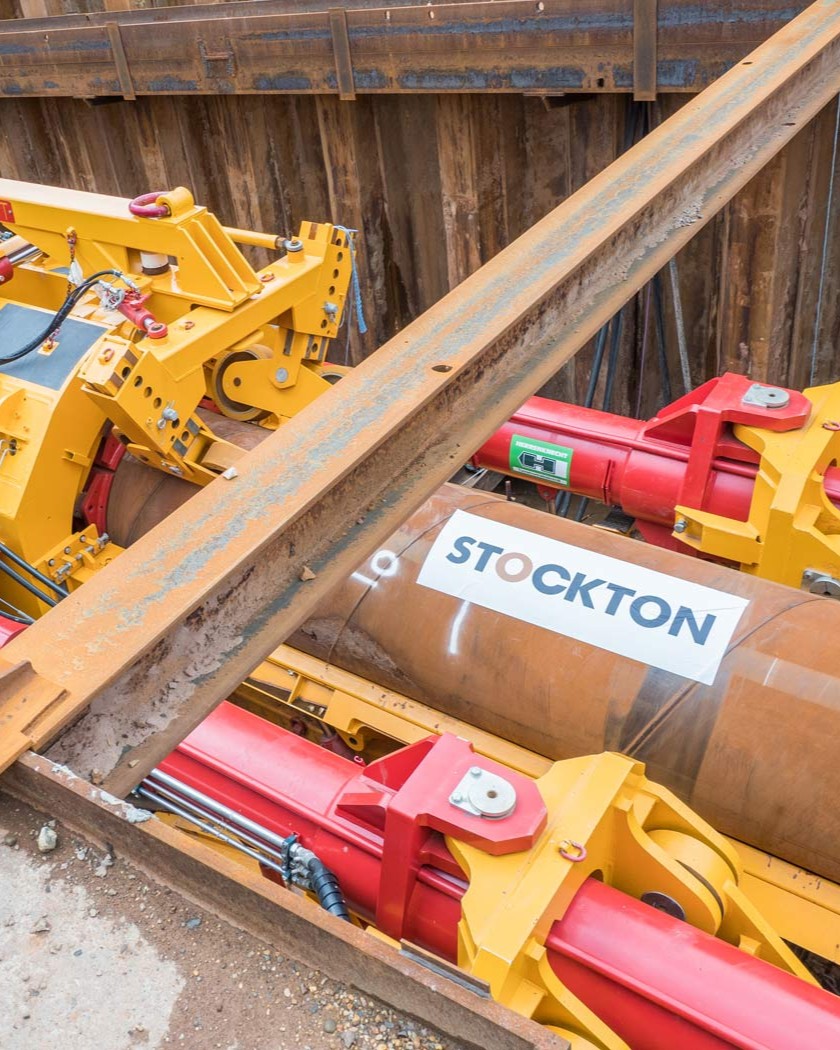

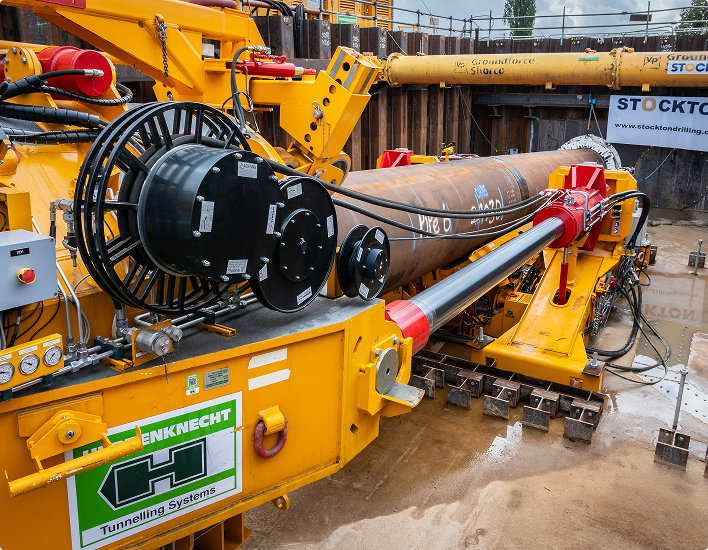
Direct Pipe® is a trenchless construction method that installs a steel pipeline underground in one continuous operation. A microtunnel boring machine is positioned at the front of the pipeline, with the steel pipe itself acting as the jacking string.
As excavation progresses, the welded steel pipeline is pushed forward simultaneously, providing continuous support to the bore and maintaining precise line and level throughout the installation. Unlike multi-stage trenchless methods, excavation and pipe installation are not separated, reducing exposure to ground movement, alignment error, and collapse.
Offshore and coastal environments amplify construction risk. Variable ground conditions, high groundwater pressures, and restricted access all increase the consequences of delay or failure.
A single-pass installation offers several advantages in these settings. Continuous ground support improves bore stability and reduces the risk of settlement or loss of ground. Alignment is maintained throughout the drive, removing the interfaces that exist between separate drilling and pipe installation stages.
Fewer construction phases mean programmes are shorter and there are fewer opportunities for error, rework, or unplanned intervention. For projects operating within narrow weather windows or sensitive consent conditions, this reduction in complexity can be decisive.
Direct Pipe® is particularly effective for offshore energy and windfarm landfalls where precision and environmental control are critical.
Surface-guided microtunnelling allows accurate targeting beneath beaches, cliffs, and intertidal zones, enabling pipelines to emerge on the seabed without disturbing the shoreline or nearshore habitats. Installing thick-walled steel pipes provides the structural capacity required to withstand offshore loads while maintaining long-term integrity.
Because most construction activity remains onshore, reliance on marine plant and extended offshore operations is reduced. This lowers exposure to weather risk, vessel availability, and cost escalation, while improving programme predictability.
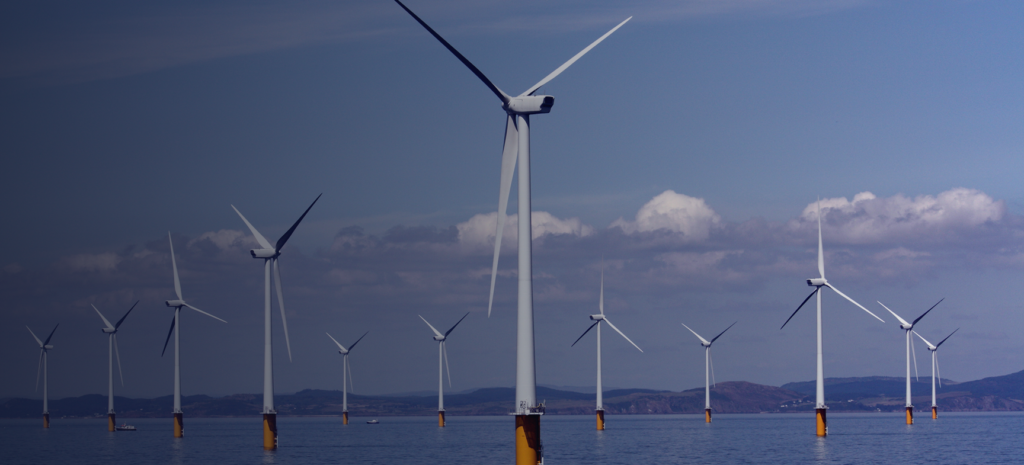
Environmental permitting for offshore projects is often most restrictive at the landfall. Open trenching, dredging and nearshore works can disturb sensitive habitats, affect water quality, and impact tourism or protected coastlines.
Direct Pipe® avoids open excavation in these areas by tunnelling beneath them. It has a closed-loop system which contains drilling fluids and prevents sediment dispersal, leaving the seabed and shoreline undisturbed once installation is complete. For developers navigating complex consent regimes, this approach supports compliance while reducing environmental risk.
Get in touch with our expert team for your next Direct Pipe® project.
Direct Pipe® technology is a method of laying pipelines that uses a combined drilling and piping process. This method is created using a mixture of HDD and microtunnelling. This pipeline is fabricated in one motion while simultaneously excavating the borehole, making it easier and safer than HDD.
Direct Pipe® installs the pipeline as the bore is excavated, providing continuous support and eliminating the separate pull-back stage required in HDD. This improves control and reduces risk in difficult ground.
Offshore landfalls often involve unstable soils, steep cliffs, or sensitive coal zones. Direct Pipe® offers continuous support during installation which reduces the likelihood of pipe instability or bore collapse in these conditions.
Direct Pipe® can launch from an onshore shaft and tunnel beneath beaches and surf zones to exit on the seabed, avoiding nearshore construction and reliance on barges or trenching vessels.
Direct Pipe® passes sensitive habitats, leaving the ecosystem above untouched and undisturbed. Unlike dredging, it does not resuspend sediment or disrupt marine ecosystems.

